7 min read · Updated July 2026 · By Dalton
Owner, Yellow Bird Cleaning — Dalton is the owner of Yellow Bird Cleaning. He works directly with businesses across Florida's Gulf Coast to set up and run dependable commercial cleaning programs, matching each space to the right scope, schedule, and crew.
Gym and fitness studio cleaning: standards that keep members
A gym is one of the hardest-working commercial spaces you can own: hundreds of hands on shared equipment, sweat on every surface, and warm, damp locker rooms: exactly the conditions germs love. That is why fitness facilities need daily, disinfection-grade cleaning rather than a light tidy. Here is what a real gym-cleaning program covers, the health risks it manages, how often each zone needs attention, and why it directly affects whether members renew.
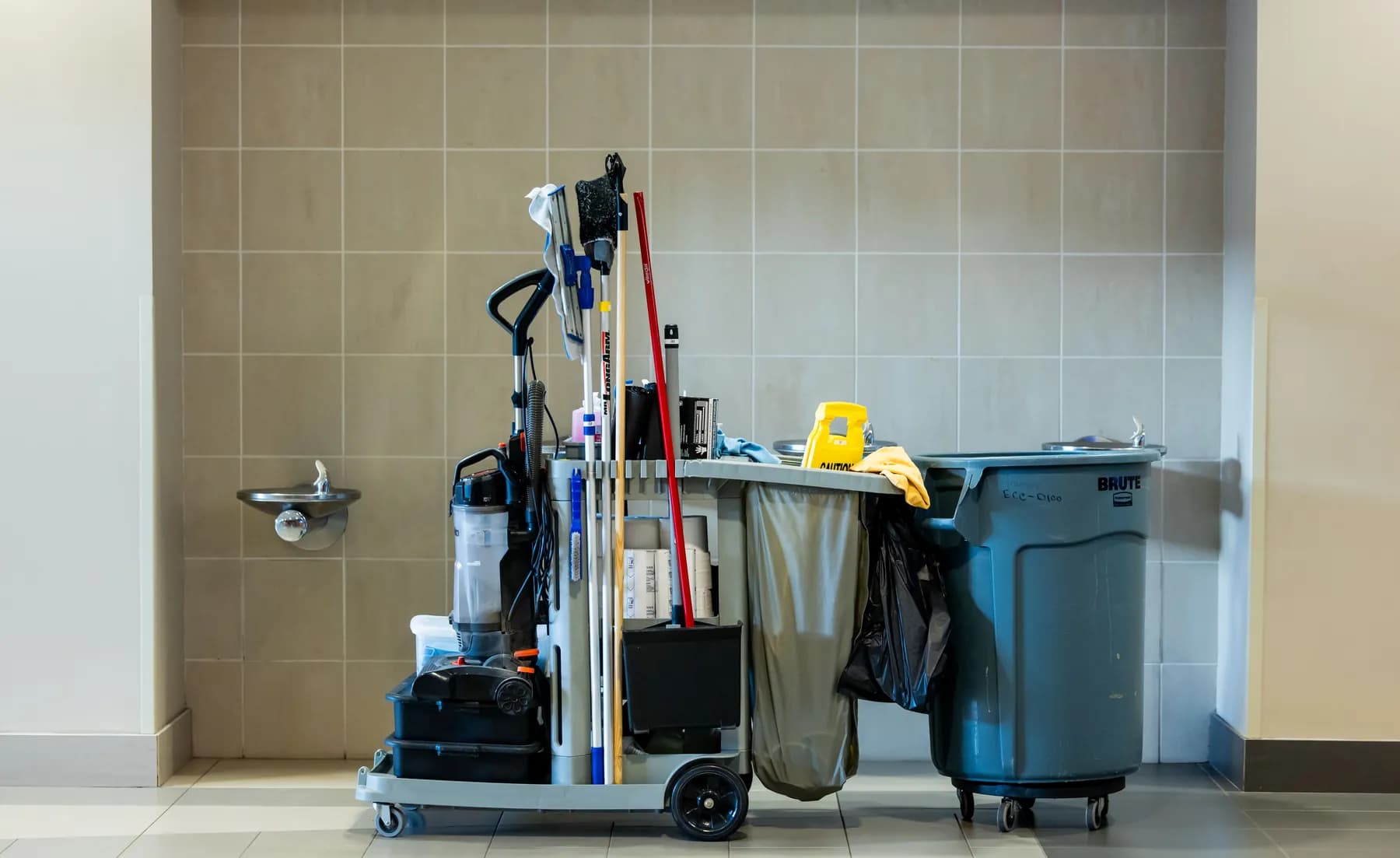
Why gyms need disinfection, not just cleaning
Cleaning removes visible dirt; disinfecting kills the germs left behind. In a gym you need both, because the same surfaces get touched, sweated on, and shared all day. The CDC's guidance is that routine cleaning with soap or detergent is the baseline, with disinfection using an EPA-registered product when you need to reduce the spread of germs — and shared fitness equipment is a textbook case.
Practically, that means wiping down and disinfecting high-touch equipment and surfaces on a schedule, not just when they look dirty.
The germs that actually spread in gyms
This is not scare-mongering — it is why the standard is high. Shared, sweaty, warm-and-damp environments can transmit:
- Skin infections like staph and MRSA, spread by shared equipment, mats, and benches.
- Fungal infections like ringworm and athlete’s foot, spread on locker-room and shower floors.
- Common viruses — cold, flu, stomach bugs — via high-touch handles, rails, and screens.
Good cleaning does not eliminate every risk, but a consistent disinfection routine on equipment and in wet areas is the single most effective control a facility has.
The zones that need the most attention
Locker rooms, showers, and restrooms
The make-or-break zone. Wet floors, drains, toilets, showers, mirrors, and benches need daily deep cleaning and disinfection — this is where members form their strongest opinion of your standards.
Equipment and free weights
Cardio machines, benches, mats, dumbbells, and cable handles are the highest-touch surfaces in the building. They need frequent disinfection of the grips, screens, and contact points.
Floors and mats
Rubber flooring and turf trap sweat, chalk, and dust. Regular vacuuming and mopping with the right products keeps odor and grit down.
High-touch points
Door handles, water fountains and refill stations, front-desk counters, and any touchscreens — the surfaces every single member contacts.
A realistic frequency plan
- Daily: locker rooms, showers, restrooms, high-touch points, floors, trash, and a full equipment wipe-down.
- Multiple times a day (busy gyms): restroom and locker-room checks and high-touch disinfection during peak hours.
- Weekly: detailed equipment cleaning, mirrors, vents, and baseboards.
- Periodically: deep floor cleaning, grout and tile in wet areas, and high dusting.
Why clean is a retention issue
Members rarely compliment a clean gym — but they absolutely quit a dirty one. A smelly locker room or a grimy mat is one of the most common reasons people cancel, and prospective members decide in the first sixty seconds of a tour. Consistent, professional cleaning is one of the cheapest retention tools a fitness business has.
Yellow Bird coordinates after-hours and during-hours cleaning crews for gyms and studios across the Gulf Coast, built around your busiest hours so the space is freshest when members actually show up.
Frequently asked questions
How often should a gym be cleaned?
Most gyms need daily cleaning — locker rooms, restrooms, high-touch surfaces, floors, and a full equipment wipe-down every day — with additional restroom and high-touch checks during peak hours and periodic deep cleans of floors and wet areas.
What disinfectant should be used on gym equipment?
An EPA-registered disinfectant used according to its label — including the required surface contact time — is the standard for shared fitness equipment. The CDC recommends routine cleaning first, then disinfection where you need to reduce the spread of germs.
Can you really catch infections at the gym?
Shared equipment and wet locker-room floors can spread skin infections like staph, MRSA, ringworm, and athlete’s foot, as well as common viruses. A consistent disinfection routine on equipment and in wet areas is the most effective way to reduce that risk.
Should the gym be cleaned during or after hours?
Both. A nightly deep clean resets the whole facility, while spot checks and high-touch disinfection during peak hours keep restrooms and equipment fresh when traffic is heaviest. The right mix depends on your hours and volume.
Do you clean the locker rooms and showers too?
Yes — locker rooms, showers, and restrooms are the highest-priority zone in a fitness facility and get daily deep cleaning and disinfection, because that is where members judge your standards most.