8 min read · Updated June 2026 · By Dalton
Owner, Yellow Bird Cleaning — Dalton is the owner of Yellow Bird Cleaning. He works directly with businesses across Florida's Gulf Coast to set up and run dependable commercial cleaning programs, matching each space to the right scope, schedule, and crew.
Cleaning for property managers, HOAs, and condo associations
Common-area cleaning is the regular, scheduled cleaning of the shared spaces in a condo, HOA, or managed building, including lobbies, hallways, elevators, mail rooms, amenity spaces, fitness centers, pool restrooms, and trash rooms. For a property manager or community association manager, the real challenge is not any single building but keeping a whole portfolio consistently clean without fielding a dozen vendor relationships. This guide covers what common-area scope actually includes, how to think about frequency, and why a single accountable point of contact is worth more than a rock-bottom rate.
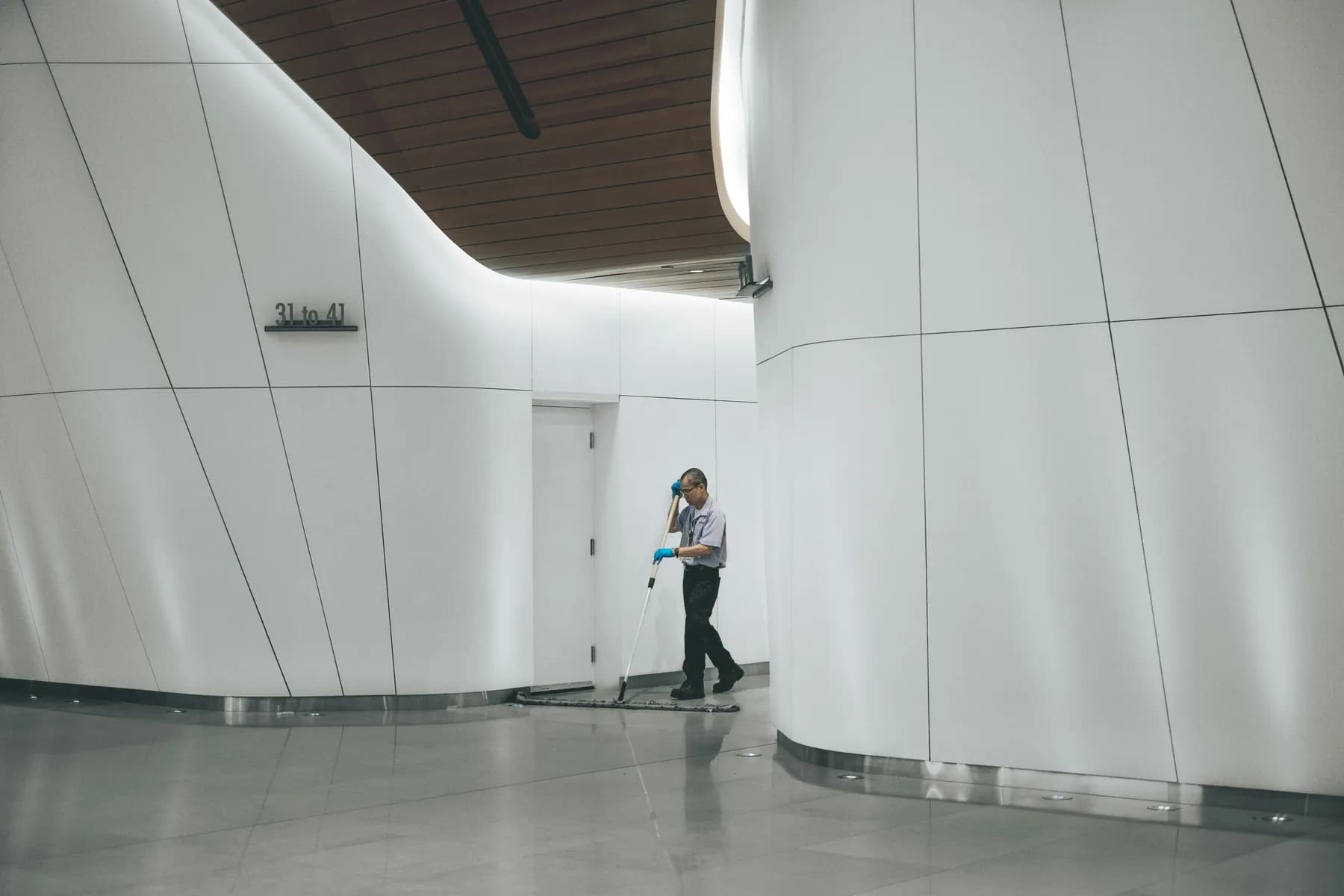
Why this is a big category on the Gulf Coast
Florida's Gulf Coast, from Sarasota and Bradenton up through Tampa, St. Petersburg, and Clearwater, is unusually dense with condominium towers, gated communities, and HOA-managed buildings. Many residents are seasonal or second-home owners, which means common areas are the face of the community and the part of the property that owners and prospective buyers judge first.
That density makes common-area cleaning one of the steadiest categories of commercial work in the region. It also means property managers and CAMs are key decision-makers: they often control cleaning across multiple buildings at once, and they are measured by how few complaints land in their inbox. A clean, well-kept lobby is invisible. A dirty one generates emails to the board.
What common-area scope includes
Common-area cleaning is broader than most people expect because shared spaces take heavy traffic and rarely have an obvious owner who notices when something slips. A thorough scope usually breaks down by area, each with its own tasks and frequency.
- Lobbies and entries: floors, glass doors, entry mats, seating, reception or concierge surfaces, and the first impression a visitor forms
- Hallways and corridors: vacuuming or mopping, baseboards, light fixtures, handrails, and wiping down doors and frames
- Elevators: floors, walls, mirrors, handrails, and call buttons, which are among the highest-touch surfaces in any building
- Mail and package rooms: floors, counters, and keeping the growing pile of delivery boxes from taking over
- Amenity and clubrooms: tables, chairs, kitchenettes, glass, and reset after resident events
- Fitness centers: equipment wipe-down, mirrors, floors, and restocking sanitizing wipes
- Pool restrooms and changing areas: full restroom service, with attention to wet floors and high turnover
- Trash and recycling rooms: floors, chute areas, odor control, and keeping a space that is easy to let go
How to think about scheduling and frequency
Not every common area needs the same frequency, and matching frequency to traffic is where a smart cleaning plan saves money without anyone noticing a decline. High-traffic zones such as the main lobby, elevators, fitness center, and pool restrooms often need daily or near-daily service, especially in season. Quieter upper-floor hallways might do well with a few visits a week. Trash rooms need enough frequency to stay ahead of odor, which in the Florida heat means more often than you might guess.
Timing matters too. Lobbies and amenity spaces are best cleaned early or late so residents are not stepping around a wet floor at peak hours. Many buildings prefer early-morning service so common areas look their best before the day starts. The right schedule is something a vendor should propose after walking the property, not a one-size template applied sight unseen.
The value of one accountable point of contact
For a property manager running several buildings, the most underrated benefit of the right cleaning vendor is not the per-property rate. It is having one person who answers when something goes wrong. When a board member emails about a dirty lobby at 8 a.m., you want to forward it once and trust it gets handled, not chase three different crews across three buildings.
One accountable contact across a portfolio means consistent standards building to building, a single invoice relationship, and a real person who knows your properties rather than a call center. For a new, owner-operated cleaner, this is often the strongest selling point: the owner is the point of contact, replies within one business day, and is personally accountable for the work. If you manage multiple Gulf Coast properties and want one quote covering all of them, that is worth asking about directly.
Flat monthly pricing helps here too. Predictable, fixed monthly costs across a portfolio make budgeting and reserve planning far easier than variable hourly billing, and they remove the incentive to rush. Pair that with flexible terms, such as month-to-month while you evaluate the relationship or a lower rate if you commit, and you can try a vendor on one building before rolling them out across the portfolio.
Insurance, COIs, and shared owner property
Common areas are shared property owned collectively by the unit owners, which raises the stakes if something goes wrong during cleaning. Before hiring any vendor for HOA or condo work, ask about their liability insurance and whether they can provide a certificate of insurance, often naming the association as an additional insured. This is a normal request that boards and management companies make routinely.
You should also understand the difference between insurance, which covers accidents and property damage, and bonding, which protects against theft by an employee. For buildings where crews have access to mail rooms, package areas, and amenity spaces, both are reasonable to ask about. A vendor that handles these questions calmly and provides documentation is showing you how they will handle the rest of the relationship.
Frequently asked questions
Can one cleaning company handle all the buildings in our portfolio?
Yes, and consolidating is usually the point. A single vendor across your portfolio gives you consistent standards building to building, one invoice relationship, and one accountable contact instead of juggling several crews. For an owner-operated cleaner, having the owner serve as your direct point of contact across every property is often the main advantage. If you manage multiple Gulf Coast properties, ask for one walkthrough and one combined quote covering all of them.
How is common-area cleaning priced for a condo or HOA?
It is typically priced as a flat monthly fee based on the scope and frequency of each area, established after an on-site walkthrough. The walkthrough lets the vendor see the actual square footage, traffic patterns, and which areas need daily versus weekly service. Flat monthly pricing is easier for associations to budget and plan reserves around than variable hourly billing. Remember that commercial cleaning in Florida carries state sales tax plus any county surtax.
Should we ask for a certificate of insurance?
Yes. Because common areas are shared owner property, most management companies and boards request a certificate of insurance, often naming the association as an additional insured, before a vendor starts work. It is a standard, reasonable ask. Also consider asking about bonding, which protects against employee theft, since crews often have access to mail and package rooms. A professional vendor will provide documentation without friction.
How often should common areas be cleaned?
It depends on traffic. High-use areas like the main lobby, elevators, fitness center, and pool restrooms often need daily or near-daily service, especially in season, while quiet upper-floor hallways may need only a few visits a week. Trash rooms need enough frequency to stay ahead of odor in the Florida heat. The right cadence comes from walking the property and matching frequency to how each space is actually used.